
German Pension Refund
How Do I Claim My German Pension Refund
As someone who lived and worked in Germany, you must have paid 9.3% of your gross salary to the German pension fund. Now, if you are planning on leaving the country, you are probably wondering what is going to happen to these pension contributions. The good news is that if you are a non-EU national you can get a refund.
Even though claiming a Germany pension refund may seem challenging because of the bureaucratic system, understanding the steps involved will surely make the process easier. The process itself is quite straightforward especially if you have the right documents, know who to contact, and how long it will take.
This guide will help you understand everything you need to know about claiming your Germany pension refund. We’ll cover who can get a refund, what documents you need, and the steps to follow to make sure you get your money back. Whether you’re moving back home or to a new country, knowing how this process works will save you time and effort.
Contact Us
Who is eligible for a German pension refund?
The most important part is to figure out if you are eligible at all. Eligibility for a German pension refund depends on your citizenship and the agreements between Germany and your home country. Let’s have a closer look:
German citizens
If you’re a German citizen who paid into the German pension insurance scheme, you, in most cases, cannot receive the refund. Instead, as a German citizen you will use the pension benefits once you reach retirement age. However, if a German citizen has reached the retirement age but contributed for less than 5 years in total – a refund is possible. Also, in cases when a German citizen gives up their citizenship for a non-EU citizenship, and if they meet the eligibility criteria of the new citizenship – they can claim the refund.

EU and EEA citizens
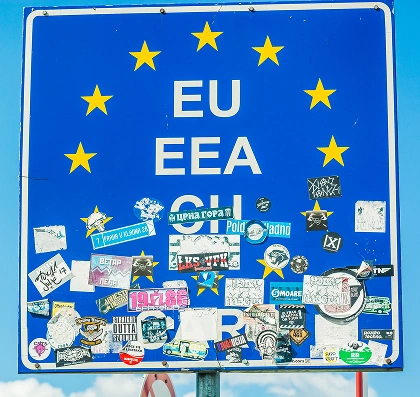
If you’re from the European Union, Iceland, Liechtenstein, Norway, or Switzerland, you must pay into the German pension system while working in Germany. This means you can’t get your pension insurance contributions back as citizens from these countries are treated equal to German citizens. A refund upon reaching retirement age is only possible, if in their home country, Germany, or any other EU country combined the period of pension contributions has been less than 5 years.
Citizens of contracting states
Citizens from countries that have social security agreements with Germany* may be eligible for a refund based on the rules outlined in the agreements. Some of these agreements limit the possibilities of getting a refund e.g. based on the period of contribution, or residence requirements.
To receive the refund as a citizen of a contracting state you have to meet the additional criteria that apply to your personal situation.
Albania, Australia, Bosnia-Herzegovina, Brazil, Canada, Chile, India, Israel, Japan, South Korea, North Macedonia, Kosovo, Moldova, Montenegro, Serbia, Philippines, Tunisia, Turkey, United States, Uruguay.

Citizens of non-contracting states
If your country is not part of the EU, EEA or a contracting state, then it is considered a non-contracting state. In legal terms, non-contracting states are the ones that do not have a social security agreement in place with Germany.
For citizens of non-contracting states, voluntary contributions to the German pension system are not possible once they have left the EU. This means that as a citizen of a non-contracting state, you are eligible for a pension refund regardless of how many years you worked in Germany.


What are the requirements for claiming a pension?
To claim a refund of all your pension payments, you must meet certain requirements like
Waiting period
You can apply for the pension refund only after you have left Germany. After your last contribution to the German pension system, you must wait at least 2 years (24 months) before applying for a refund. This is a standard requirement for everybody who has not yet reached the German retirement age.
Specific limitations for certain countries
In most cases, there are no limitations on your contribution period. However, if you are a citizen of the USA, India, Australia, Canada, Albania, Moldova, The Philippines, South Korea, Brazil and Uruguay you have additional criteria to meet. The refund is possible only to people who contributed to the German pension scheme for less than five years (60 months). This is a strict rule, so make sure to check your contribution history to see if you meet this criteria. If you’ve exceeded this period of 5 years, refunds are not possible for you anymore. However, these contributions are not lost. Instead they can be used for your retirement benefits when you reach the German retirement age.

How to apply for a German pension refund?

Before applying, ensure you meet the eligibility criteria for a refund:
- Citizenship: You must be from a country that allows for a refund (i.e., non-EU/EEA countries or countries with a social security agreement with Germany).
- Contribution Length: Some nationalities require a specific contribution period which is less than 5 years (60 months).
- Permanent Departure: You can only apply for the refund after you have left Germany permanently.
- Waiting period: 24 months must have passed since your last pension payment.
- Age (for EU/EEA citizens): If you’re from the EU/EEA, you must be 67 years old and not qualify for a German pension to be eligible for a refund.
List of documents goes here…
Details about waiting period…
Submission process details…
Processing time info…
Step details here…
What are the requirements for claiming a pension?
You will need the following documents to apply for a German pension refund
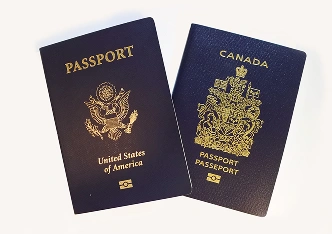
Passport or identification document
Proof of identity is mandatory. Check your document to make sure it’s valid and includes updated personal details.
Pension contribution statements
To prove you paid into the German pension system, you need to provide records of your contributions. You can usually get these records from your employer.

Proof of Employment
Documents such as pay slips, employment contracts, or any paperwork showing the duration of your employment in Germany.
Proof of Permanent Departure from Germany
You will need to prove that you have permanently left Germany with the Deregistration certificate (Abmeldung). Sometimes also a proof of residence in your new country is requested.

How long does the pension refund process take?
It can take six months and longer to get your pension refund. This depends on how complete your application is, how fast you reply to their letters, and how busy the pension authority is with retirement pension applications which are prioritized. There may be delays if you need to provide more documents or if your insurance record needs to be checked. To speed things up
Contact UsHow much money can I get back?
The average refund is about €11,800, but the exact amount depends on your particular situation. Refunds can include
Since 2018, pension contributions have been 9.3% of your gross income, but only up to a set income limit (Beitragsbemessungsgrenze). In 2024, this limit is €7,550 in West Germany, so earnings above that amount are not included. Remember that refunds must be taxed in some countries, so check the local tax laws in advance. Also, if your refund is transferred to a non-Euro account, currency conversion rates may apply. If you want to find out how much money you can refund, try this German Pension Refund Calculator. This tool will give you a clear estimate so that you know what to expect.
Contact Us
Additional tips

Seek professional advice
The whole process may seem complex and confusing, so consulting with a team of experts and legal advisors specializing in German pension refunds is highly recommended. They are fully equipped and experienced in managing even the strictest eligibility rules and documentation requirements.

Double-check documents
To avoid delays, make sure all forms and paperwork are filled out completely and accurately. Missing or incorrect information is a common reason for delays in processing claims.

Stay updated
Follow up with the German pension authority to track your application status. Regular communication can help solve any issues right away and ensure your claim goes smoothly.